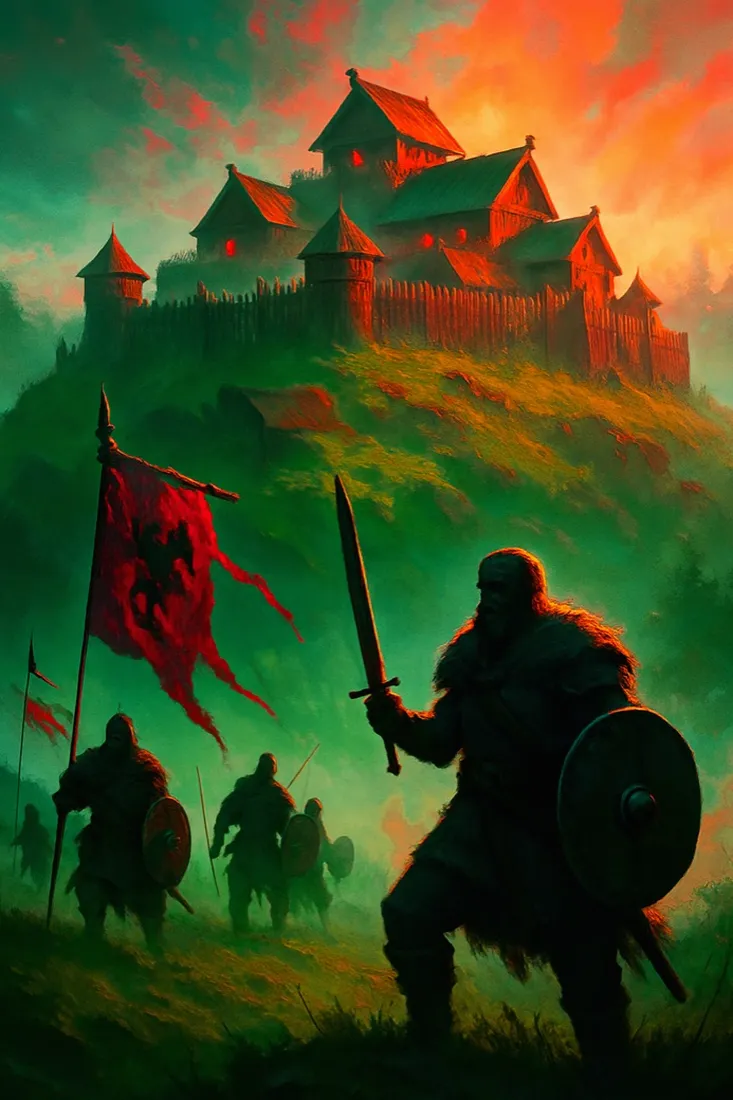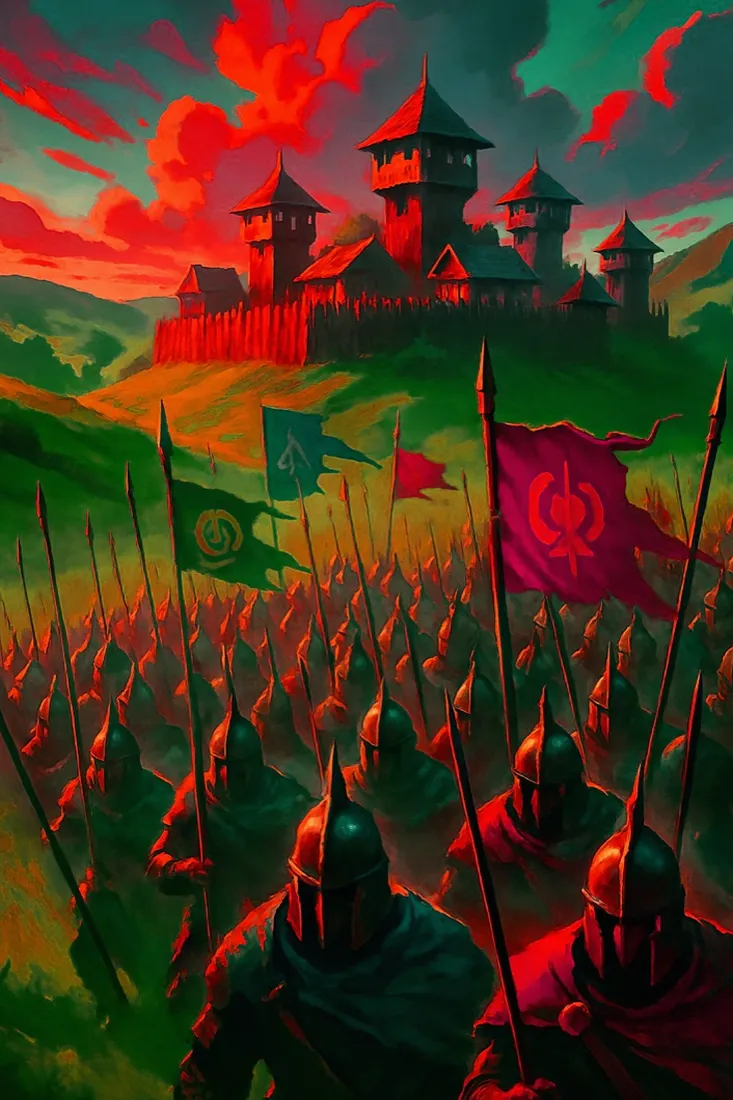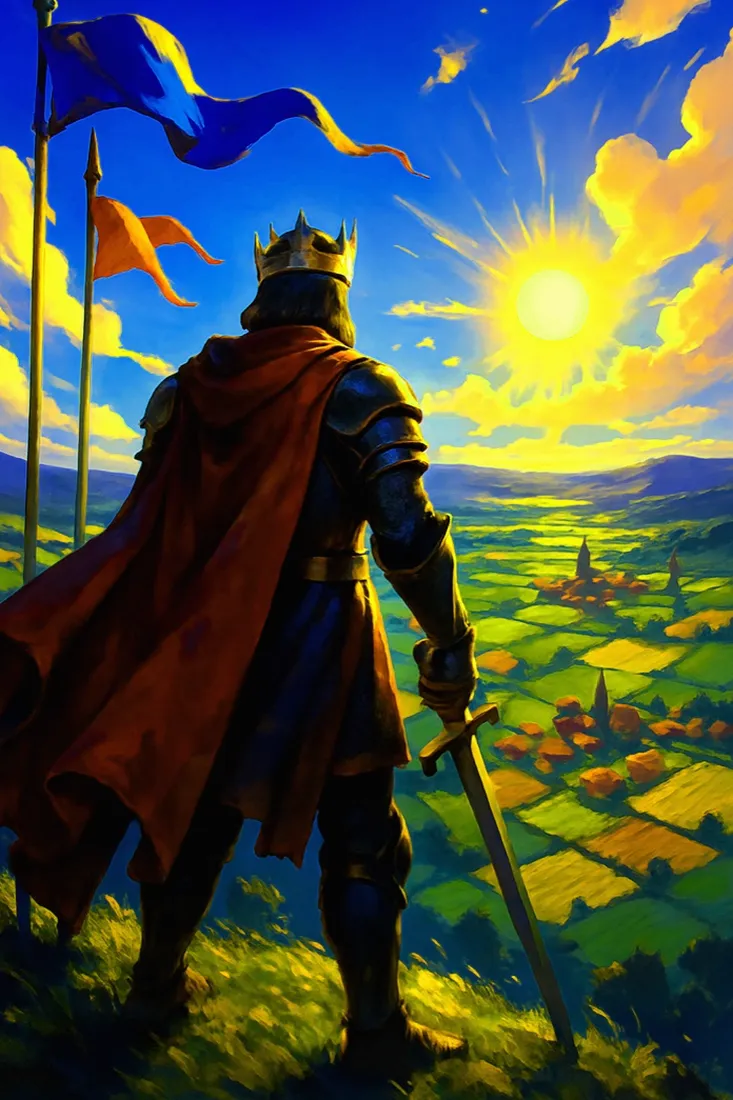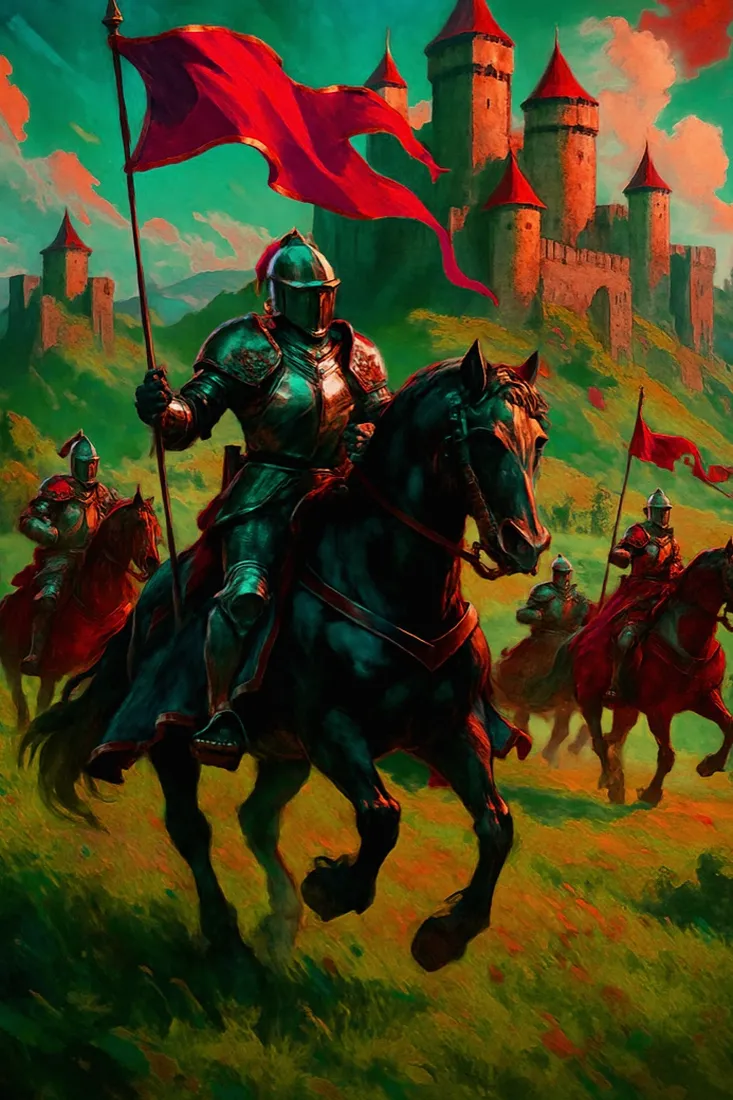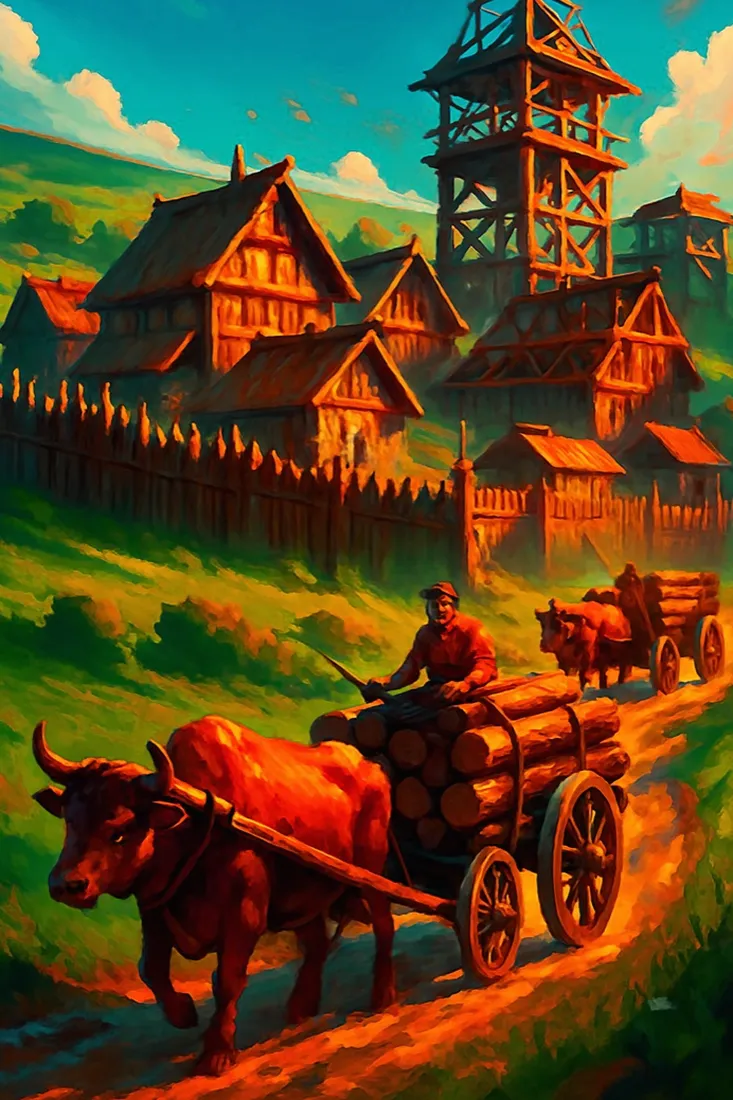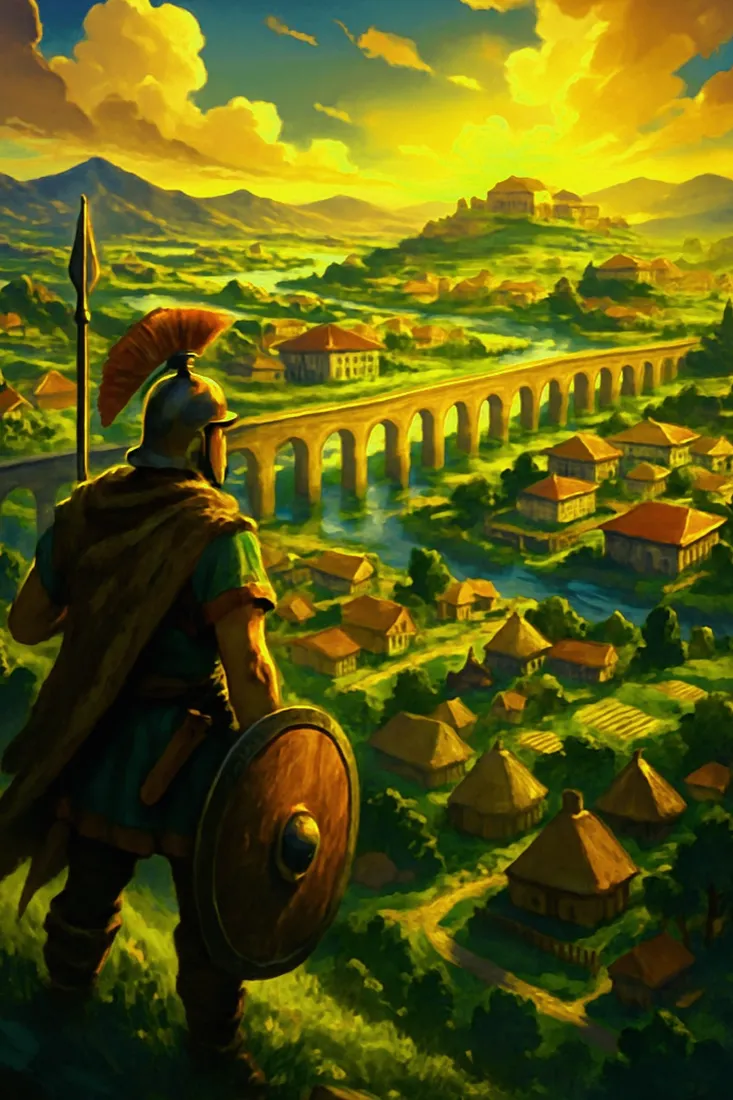
Travian started in 2004 as a hobby project and grew into Travian Games, and the current version goes by Travian: Legends. Like Tribal Wars it is a game of villages, troops and alliances. What sets it apart is the shape of a round. Rather than an open-ended feud, each world builds toward an endgame in which alliances compete to raise a Wonder of the World, and when one reaches level 100, the round is over.
That finish line changes how you play from the first day. Every resource field you upgrade is a small down payment on a monument months away, and every alliance decision is weighed against that horizon. It gives the game a sense of purpose that open-ended worlds can lack, and it makes the closing weeks of a round some of the most intense hours in the genre.
Romans, Gauls, Teutons and the tribes that came later
Your first real decision is your tribe, and it matters. The classic trio of Romans, Gauls and Teutons was later joined by Huns and Egyptians, with Spartans arriving after them, and each has its own military and economic strengths. Some lean toward defence and steady growth, others toward early aggression, and their troops consume resources at different rates, which colours every build order.
We played Gauls for our main account, partly because of their defensive reputation and partly out of cowardice, and ran a Teuton village on a second world to feel the contrast. The difference was real: the same map felt like a fortress project in one browser tab and a raiding ground in the other. Few games give a single choice this much weight.
Four resources, oases and the problem of crop
Travian adds a fourth resource to the usual wood, clay and iron: crop, which feeds your troops and population. It sounds like a small change, yet it reshapes the game. Large armies eat, and a negative crop balance will starve your soldiers, so every military ambition has a farming plan behind it. Oases around your villages can be captured to boost output.
Expansion means founding new villages with settlers, and choosing a spot becomes a study of fields, oases and neighbours. We spent longer staring at the map before our second village than we did building the first one. That is the Travian way: the decisions are slow, considered and permanent, and the game trusts you to live with them.
Heroes, adventures and the artifacts the Natars guard
Your hero is a special unit that earns experience in battle, equips items and goes on adventures. Early on, sending the hero out is a gentle routine that yields useful items and resources; later, a well-equipped hero becomes a genuine asset in combat. It is a welcome personal thread in a game that is otherwise about spreadsheets of troops.
Then there are the Natars, a non-playable tribe whose villages appear on the map, develop over time and occupy the central region, attacking players who settle too close. Some hold artifacts worth taking. Clearing them is a proper alliance operation, and the Natars give the late game a shared enemy, a pleasant change from the usual grudge matches between neighbours.
Alliances of sixty and the final push for the wonder
Alliances in Travian cap at sixty members, a limit that forces real choices about who belongs and what each member does. Successful groups divide labour: some players feed resources, some defend, some attack. When construction plans for the Wonder appear late in the round, those roles become a machine, and the whole alliance pours resources into one village.
Premium Gold and Plus features offer conveniences such as faster building, and in the frantic final stretch the gap between paying and free players is more visible than in the early months. A free player in a strong alliance still contributes, but we felt the pressure. That is the main reason Travian sits just below Tribal Wars in our ranking.
Travian: the first week of the siege
- Choose your tribe deliberately; Gauls forgive mistakes, while Teutons reward players who like to raid from the opening days.
- Upgrade resource fields evenly at first, watching your crop balance before you train a single soldier.
- Send your hero on every available adventure and equip what comes back; early items help more than you expect.
- Join an alliance once you can see who your neighbours are, and ask about their plans for the Wonder.
- Scout nearby oases and pick your second village site with fields, crop and neighbours all in mind.
What we love
- The Wonder of the World gives each round a dramatic, shared goal
- Tribe choice changes how the same map feels to play
- Crop management adds a smart logistical layer to warfare
- Hero adventures add a personal thread to big strategy
What grates
- Premium speed-ups are felt most keenly in the endgame rush
- Long rounds demand commitment before you know the alliance
- The early weeks can feel slow while fields climb level by level
The lord Travian needs
Strategists who like knowing where a story ends. If the idea of a round building toward one monumental finale appeals, and you enjoy weighing economy against army, Travian is the deepest planning game here. Come prepared to commit to an alliance for the whole round.
Travian: the last stand
Travian is the genre’s great long-form campaign. Its tribes are genuinely distinct, its crop economy keeps military ambition in check, and the Wonder race makes every round feel like a season with a finale. Premium features bite hardest at the very end, and the opening is slow, but few games make months of careful play feel as purposeful as this one.