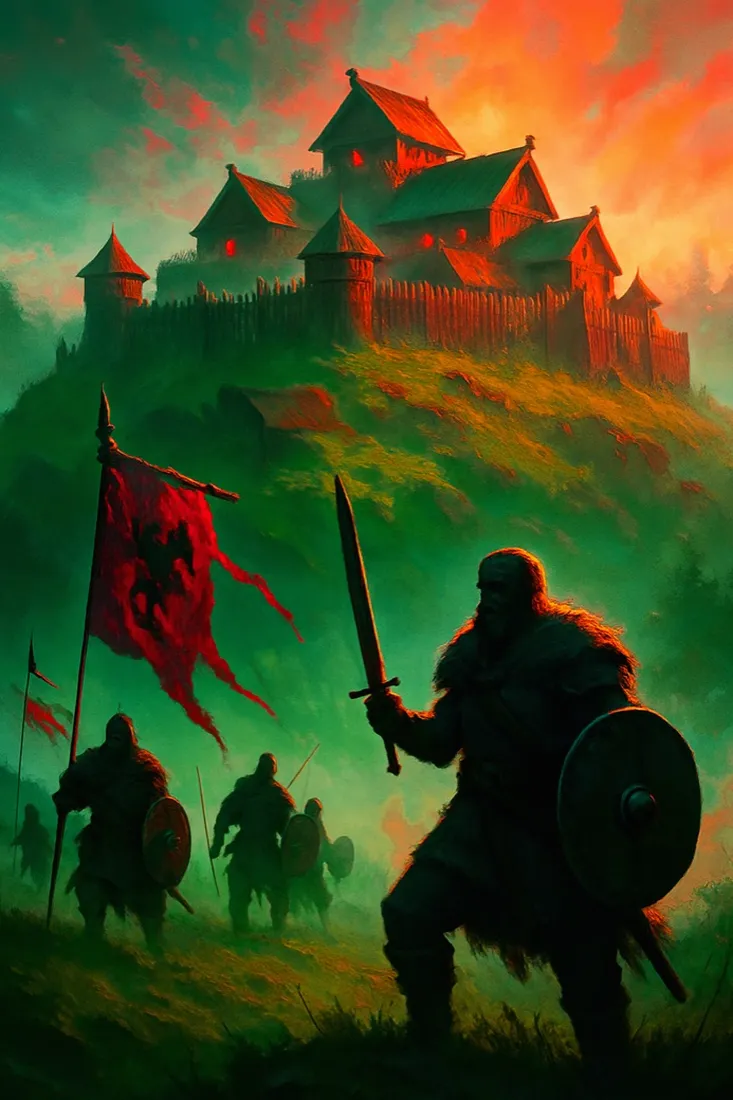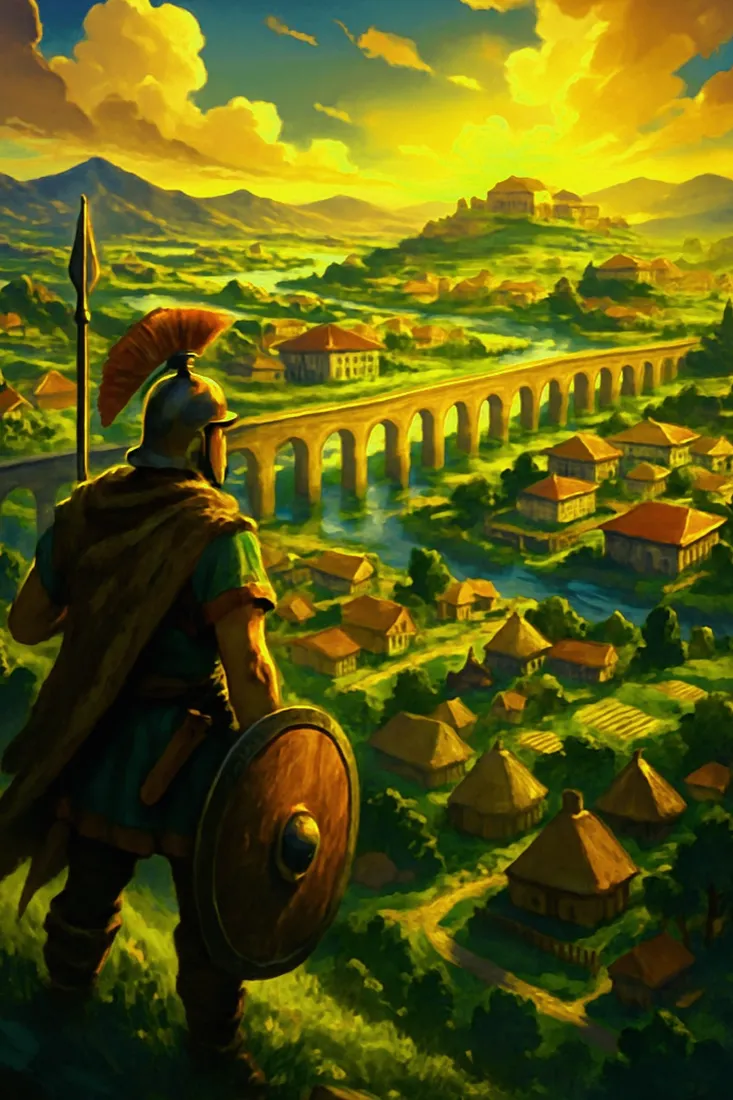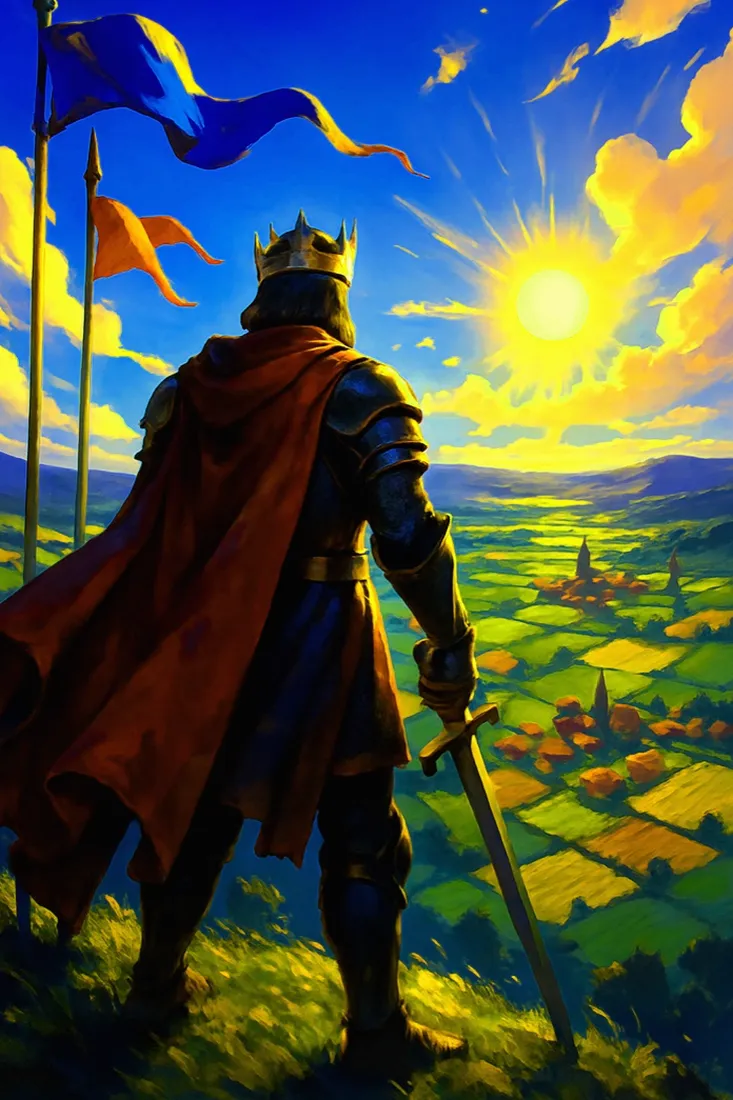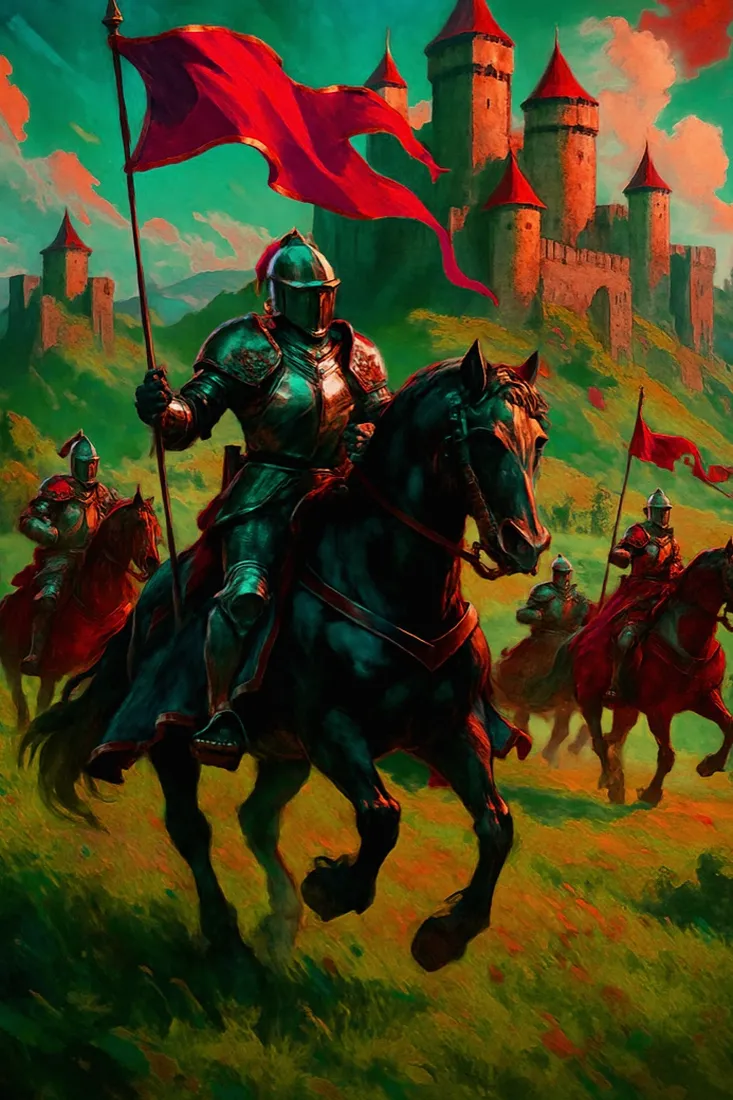
Tribal Wars 2 entered open beta in September 2014, and it was clearly made by people who knew exactly what the original did well. The fundamentals survive intact: you start with a small village, grow it into something formidable and expand by taking ground from neighbours. What changed is almost everything you see. The map is livelier, the interface is friendlier, and the game assumes you will play on more than one screen.
That last point is the headline. Your progress is the same whether you log in through a browser or the iOS and Android apps, and the game feels designed for it rather than merely ported. We ran most of our review account on a phone during a busy month and handled the heavier planning at a desk, and the switch never felt like a compromise.
From a few huts to an impressive castle
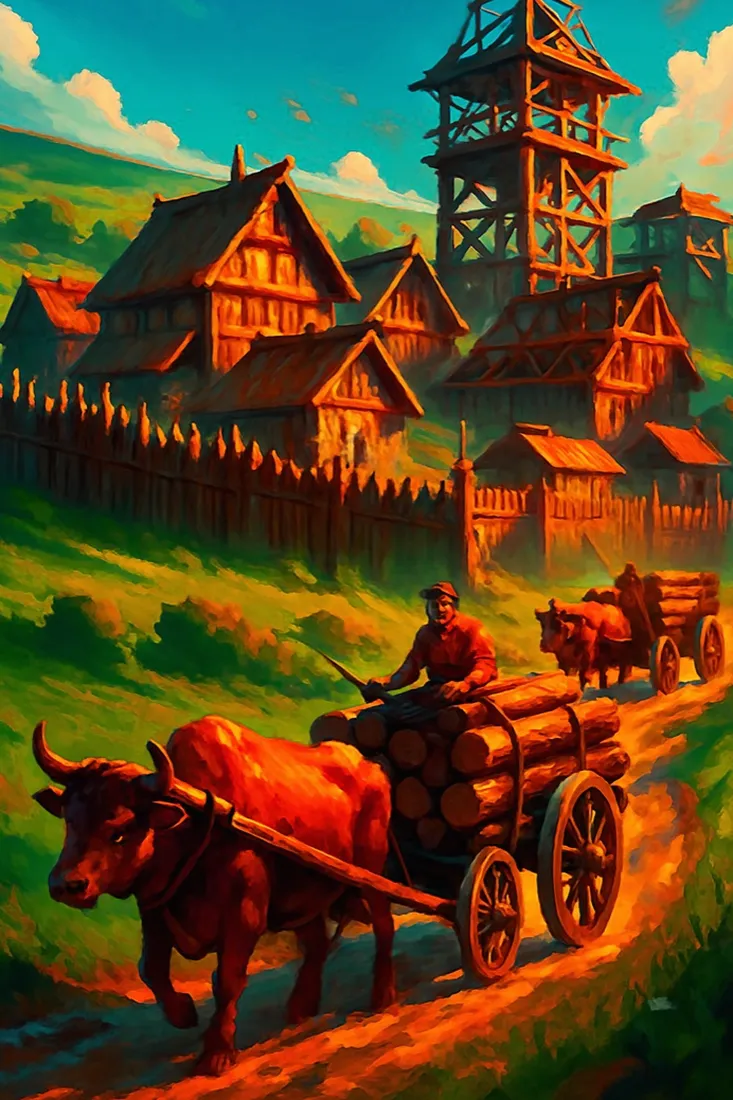
The official pitch is simple: start with a small village and build an impressive castle. The early hours are a familiar loop of upgrading production and housing, but the presentation does more to show progress. Your village visibly grows, and the building queue explains itself without the wall of numbers the original greets you with.
That readability matters for newcomers. Our tester who had never played the original was comfortable by the end of the first evening, which is not something we can say about Tribal Wars. Veterans may find a little of the old crunch smoothed away, but the decisions underneath, how much to invest in economy versus defence, remain just as consequential.
A map with regional strengths and armies you can watch
The world map in Tribal Wars 2 is divided into regions, and InnoGames notes that they come with their own resource production boosts. That gives location a meaning beyond who your neighbours are: where you settle shapes what you produce, and the tribes fighting over a region are fighting over its economy as much as its villages.
Armies move across the map in real time and you can track them as they go, which turns an incoming attack into something you watch rather than a timer in a list. Seeing a column of riders crawling toward your walls while your tribe scrambles support from three directions is the most cinematic moment in this genre, and the sequel stages it better than anyone.
Axemen, riders, siege engines and the generals who lead them
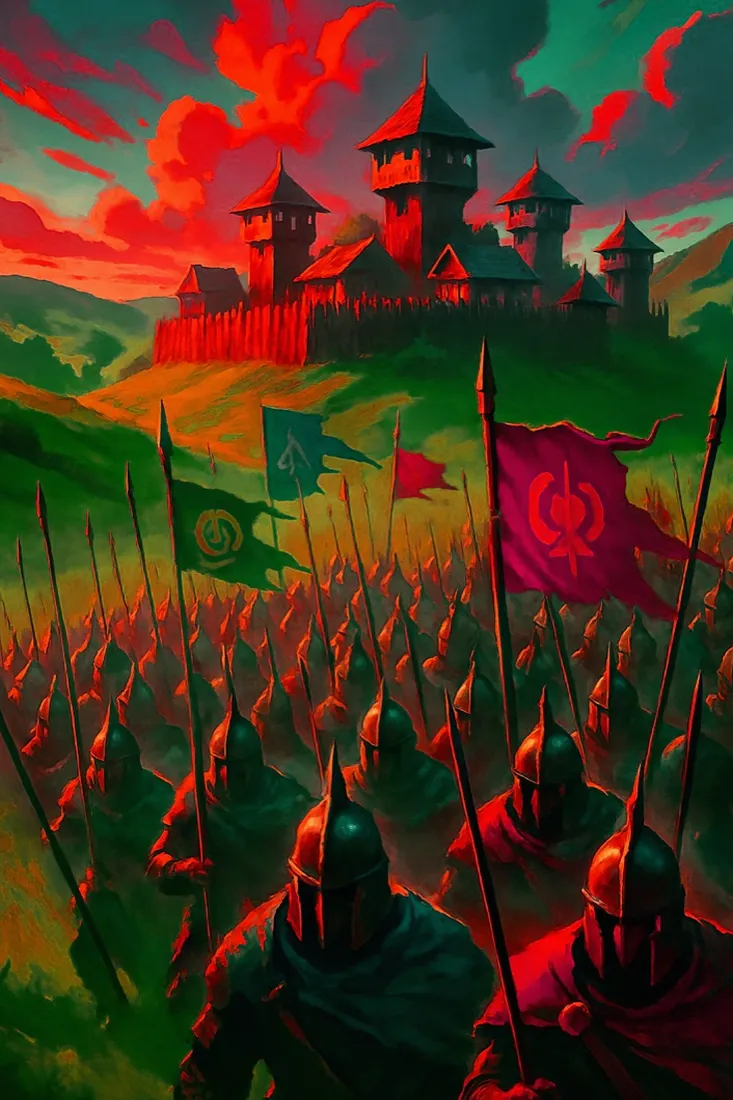
The army roster will feel familiar to veterans: spear fighters and axemen on foot, riders for speed and raiding, and siege weapons for breaking defences. InnoGames also talks about enlisting determined generals to lead your forces. The balance between cheap defensive infantry and costly offensive units drives the same healthy tension as in the original.
Conquest still means taking villages from your neighbours, and it still rewards planning over brute force. A badly timed attack wastes a week of production. We learned that early, sending a raid into a village that our scout had cleared two days earlier, only to meet the reinforcements that had arrived since. Fresh scouting is a lesson this game teaches quickly.
Tribes that coordinate from the couch and the commute
Tribes remain the heart of the game, and the cross-platform design makes them stronger. When a tribe mate calls for support, you can answer from a phone in a waiting room rather than hoping to reach a computer in time. We sent defensive troops from a GO train platform during one tense evening and felt rather pleased with ourselves.
The game is free to play with optional purchases, and as with its predecessor these mostly buy speed and convenience. Worlds run for months, which gives tribes time to form identities and rivalries. Some of the old guard grumble that the sequel is softer, but for most new players that softness is exactly what makes the war accessible.
Tribal Wars 2: the first week of the siege
- Install the app alongside the browser version on day one so you never miss a building queue or an incoming warning.
- Look at the region you start in and learn which resource it favours before planning your production upgrades.
- Build basic defensive infantry early; spear fighters are cheap insurance while you learn who your neighbours are.
- Join a tribe within the first few days and turn on notifications for its messages and support requests.
- Scout before every raid, even on targets you checked recently; reinforcements can arrive while you are not looking.
What we love
- One account across browser and phone, with no awkward compromises
- Watching armies cross the map makes every attack dramatic
- Regional resource boosts give territory real strategic value
- Far more welcoming to newcomers than the original
What grates
- Some veterans will miss the original’s rawer, more numerical feel
- Phone play makes it tempting to check in far too often
- Long worlds still need a sustained commitment from your tribe
The lord Tribal Wars 2 needs
Newcomers who want the real village-war experience without a steep wall of tables, and veterans whose lives no longer allow long desk sessions. If you expect to manage your empire from a phone as often as from a computer, this is the strongest choice in our six.
Tribal Wars 2: the last stand
Tribal Wars 2 is the classic made approachable. It keeps the tension of real-time attacks, the importance of the tribe and the satisfaction of taking a well-defended village, then wraps them in a map you can watch and an account you can carry everywhere. Purists may prefer the original’s austerity, but for most players this is the easiest way to start a long war.