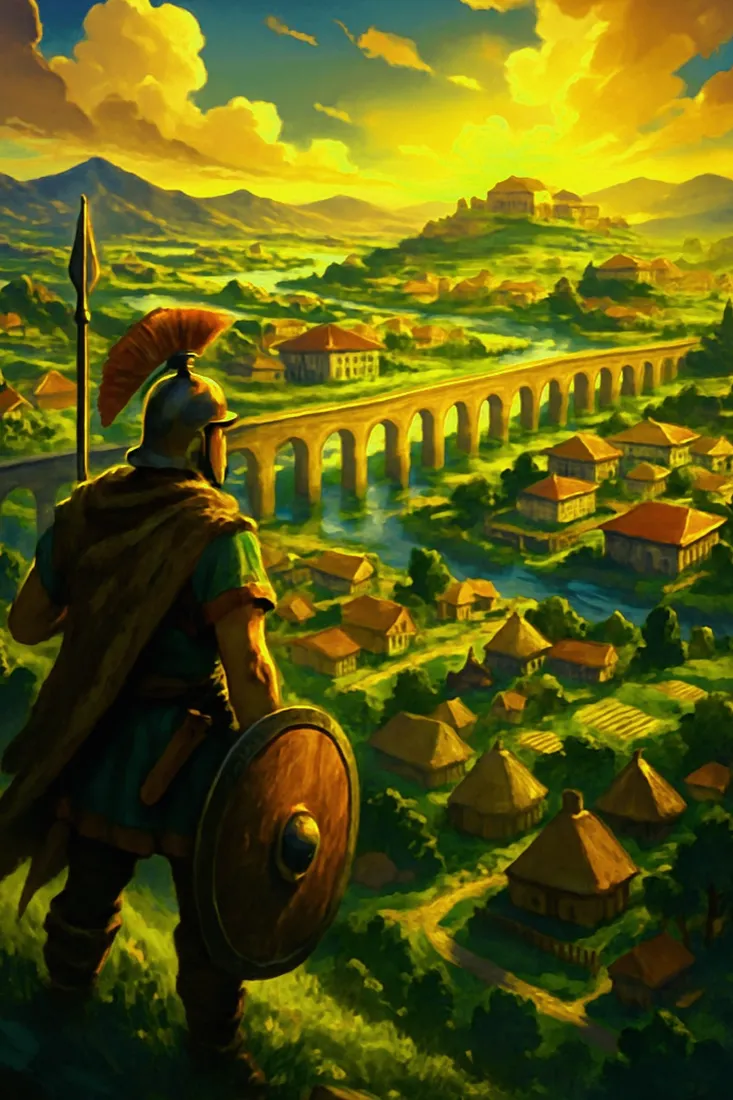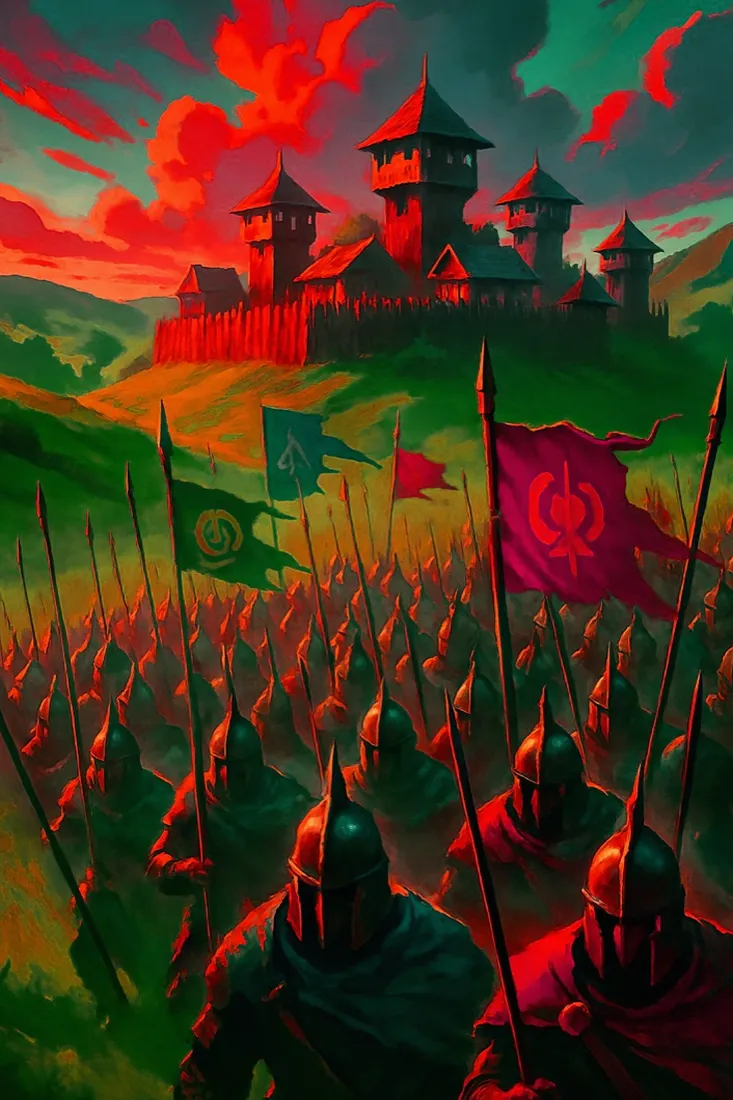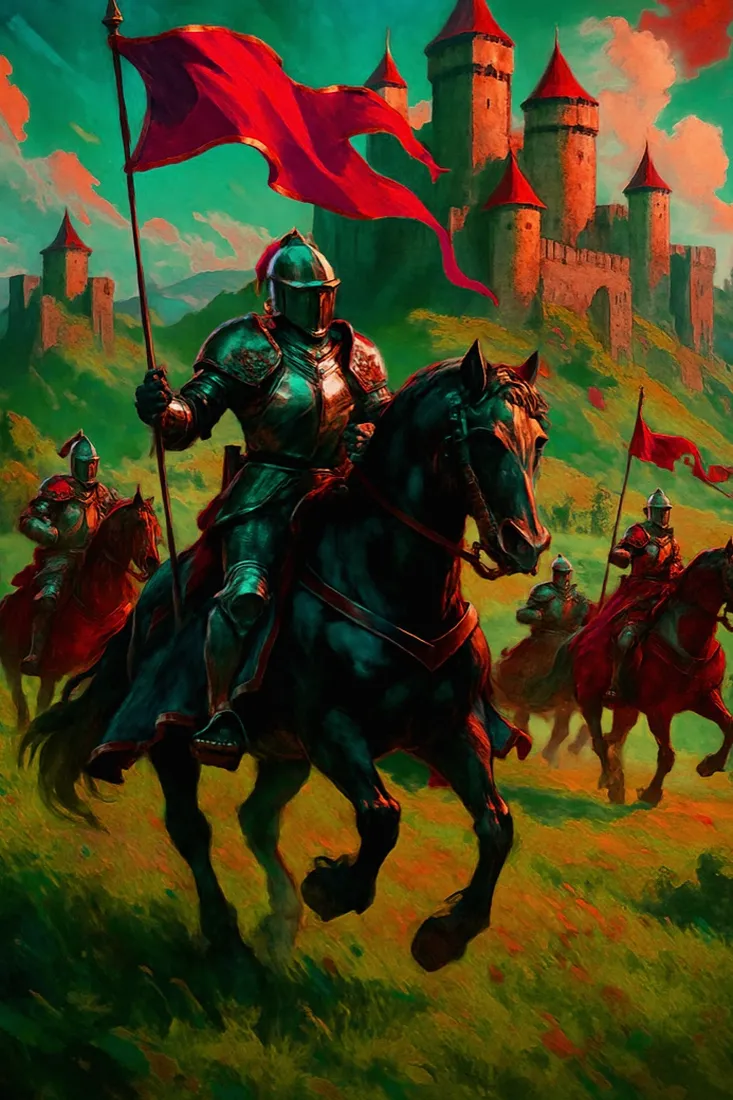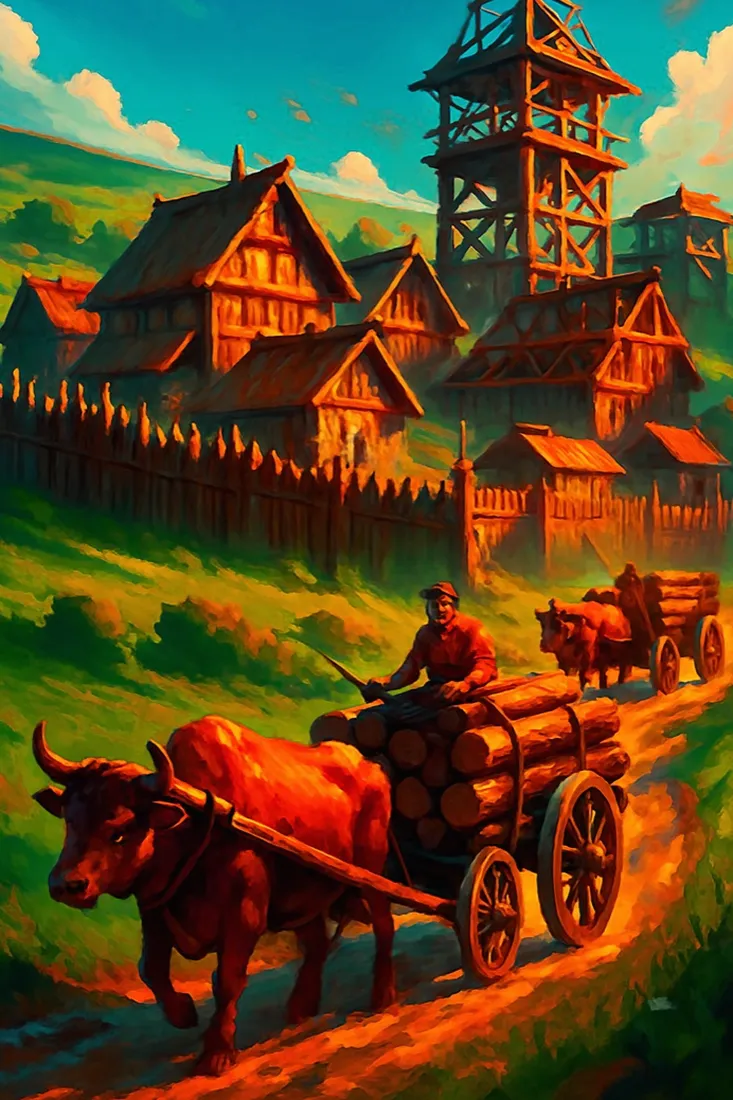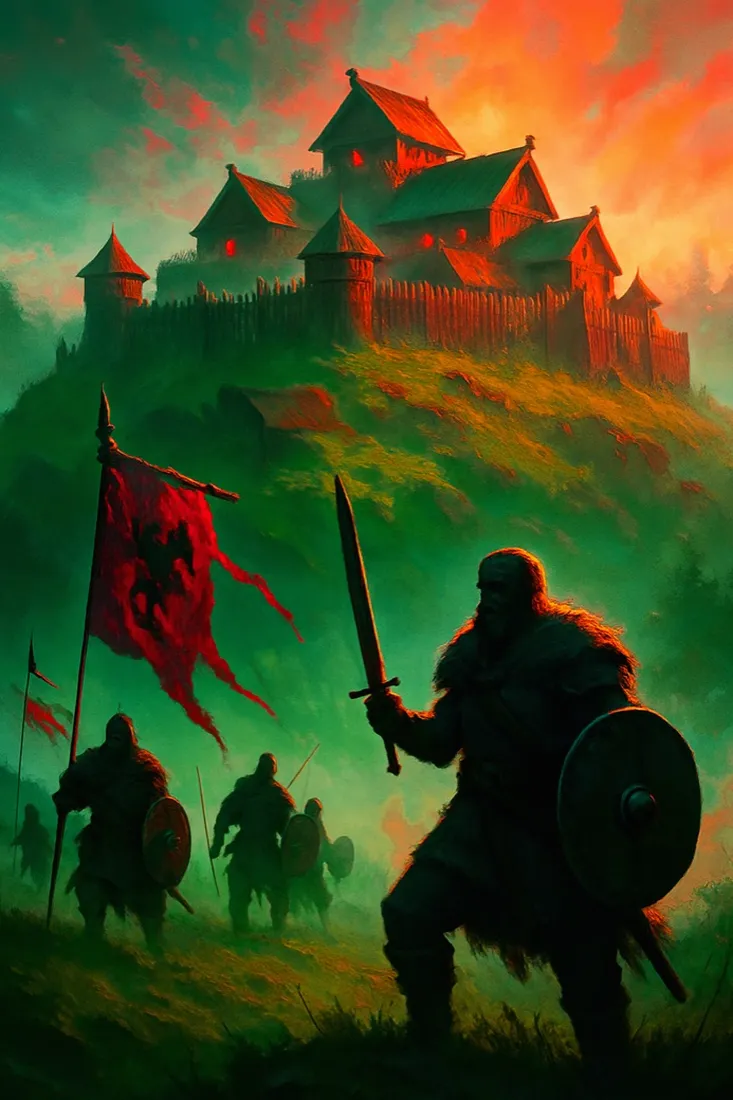
Tribal Wars began in 2003 as a hobby project by the people who went on to found InnoGames, and you can still feel that origin. The screens are mostly tables and small illustrations, the map is a grid of villages, and the tutorial explains more than it shows. None of that matters for long, because the first time a scout report comes back and you start doing sums about wood and spearmen, the game has you.
The premise is almost blunt: every player controls a small village and strives for power. You grow it, defend it, then grow beyond it by conquering others. Every world has its own settings for speed, available units and victory conditions, which gives the game a surprising variety under its unchanging skin. We played a standard world for this review and spent a few evenings watching a speed round for comparison.
Timber, clay and the headquarters that sets the tempo
Your economy is three resources, gathered by a timber camp, a clay pit and an iron mine, and stored in a warehouse that always seems a level too small. The village headquarters is the quiet centre of everything: its level decides how quickly every other building goes up, so the early game is a constant tug between raising it and feeding the pits. InnoGames lists more than fifteen building types, from the hiding place to the academy.
That sounds simple, and it is, which is the point. Because the economy has so few moving parts, small decisions compound. Push the barracks early and you can raid sooner but fall behind on production; push the pits and you risk becoming a tempting farm for the player two squares away. We rebuilt our opening twice before it felt right, and each attempt taught us something about the neighbours.
Nine unit types and the arithmetic of a raid
Troops come from the barracks, the stables and the workshop, and the official page counts up to nine offensive and defensive types, from spear fighters to heavy cavalry. Battles are resolved by the units’ statistics, with morale and a dose of luck adjusting the outcome, so you can calculate a fight in advance and still be surprised by it, which keeps every attack honest.
The real skill is in the waiting. Armies cross the map in real time, so an attack sent at dinner might land after midnight, and the defender sees it coming. Timing is everything: sending defensive support so it arrives a second before the enemy, or stacking several attacks to land in a tight cluster. It is slow, nerve-wracking and enormously satisfying when it works.
The nobleman and the long fall of a loyalty bar
Conquest in Tribal Wars belongs to one unit. The nobleman has to survive an attack on the target village, and each time one does, the village’s loyalty drops by somewhere between twenty and thirty-five points from a starting hundred. When it reaches zero, the village is yours. That means a proper conquest is a train of attacks: clearing troops first, then nobles following close behind.
It also means defenders always have a chance. Kill the noble and the loyalty holds. We lost a hard-won second village because our tribe mates missed a message, and we took one back a week later because the attacker’s timing slipped by seconds. The system creates stories in a way flashier games rarely manage, and those stories are why tribes stay together for whole worlds.
Tribes, forums and the diplomacy behind every war
A tribe in Tribal Wars is a semi-official group with its own private forum and its own diplomacy settings: allies, non-aggression pacts, enemies. The best tribes run like small organizations, with people assigned to recruitment, defence coordination and planning. Joining one early is the single most useful thing a new player can do, and the game rewards it at every turn.
Some worlds add paladins, raised at a statue and equipped with special weapons that strengthen your troops, plus extras that change the strategic texture. The Hall of Fame keeps the memory of past worlds. Taken together, it feels less like a game you play and more like a community you join, with all the loyalty and grudges that implies.
Tribal Wars: the first week of the siege
- Read the world settings before joining: speed, unit list and paladin availability change your opening more than any guide can.
- Alternate headquarters and resource upgrades for the first days, keeping the warehouse just ahead of what you produce overnight.
- Apply to an active tribe by day three, introduce yourself in its forum and ask who handles defence requests.
- Raid nearby barbarian villages with small groups once you have light troops, checking scout reports before every trip.
- Plan your first nobleman early; the resource cost is steep, and saving for it shapes your whole second week.
What we love
- Rules so clear you can calculate a battle before you send it
- Noblemen and loyalty turn conquest into a tense, readable story
- World settings give real variety beneath an unchanging interface
- Tribes have proper tools for forums, diplomacy and coordination
What grates
- The interface looks its age, especially on first contact
- Veteran neighbours make early mistakes very expensive
- War weeks can demand inconvenient hours from a single player
The lord Tribal Wars needs
Players who enjoy calculation, patience and teamwork more than spectacle. If you like the idea of a strategy game where a well-timed defence by a tribe mate matters more than any purchase, and you can live with tables and plain icons, Tribal Wars will reward you for months.
Tribal Wars: the last stand
Tribal Wars earns our top spot by being the most honest game in the genre. Every system is visible, every loss is explicable, and its tribes are the best-organized communities we met anywhere. It will not flatter you with animation or rush you with events. It simply asks you to think, to wait and to show up for your friends, and few browser games ask for anything better.